
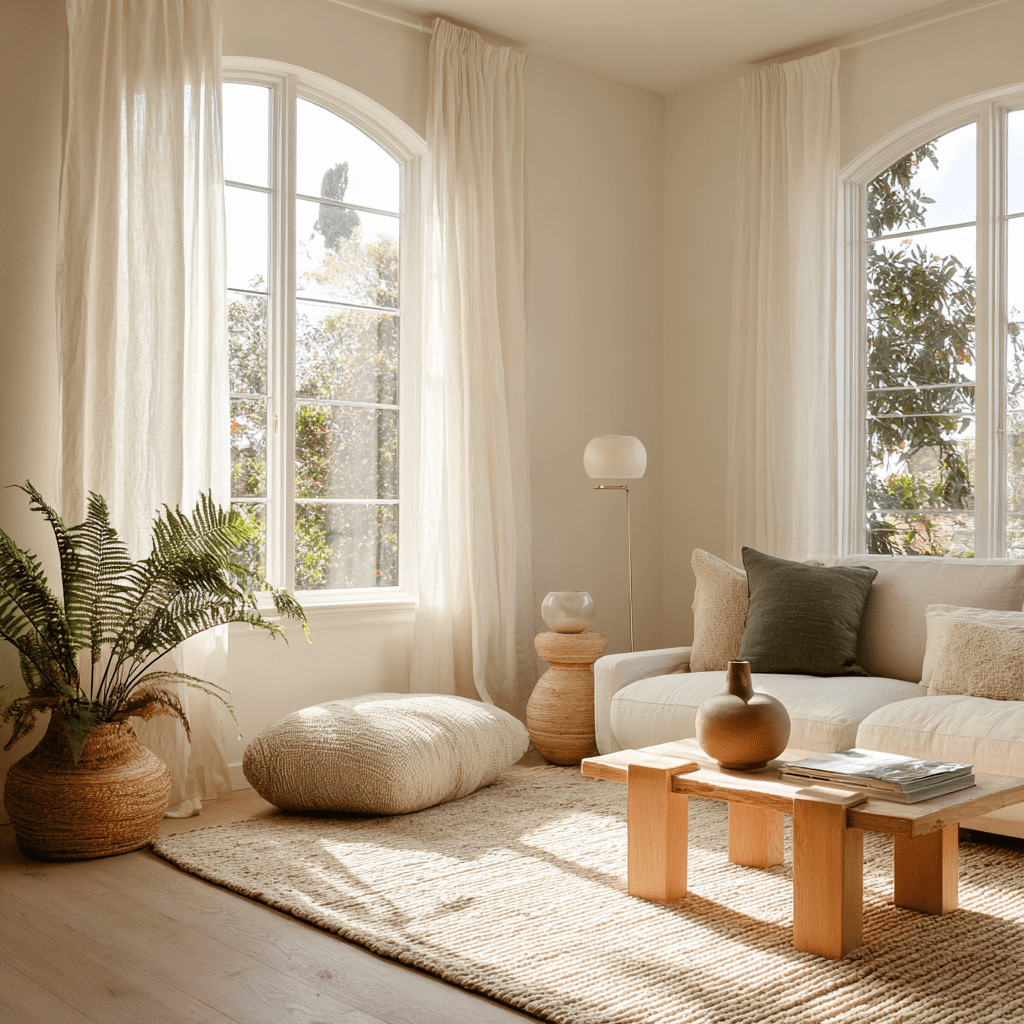
webbloko A serene Japandi style living room bathed in warm na 3f7cb3b5 a91b 4325 a3e7 ca812ebcbd40 3
| | | |

How to Create a Stress-Free Japandi Home When Life Feels Overwhelming
When your home feels just as overwhelming as your day, it’s tough to find real rest. Clutter builds up, colors feel too loud, and nothing quite fits together. Instead of recharging, you end up feeling even more drained.

That’s where Japandi design comes in. It’s not about making your home perfect — it’s about making it feel peaceful. Simple, quiet, and calm. A space that doesn’t ask too much of you.

You don’t need a complete makeover to feel the difference. Sometimes just one soft, neutral detail — a cozy throw, a natural wood accent, a bit more light — can shift the energy of an entire room.

If your life feels noisy, your home doesn’t have to echo that. This guide will help you gently reshape your space to support rest, ease, and a little more breathing room.

 
⚠️ Affiliate Disclosure: Some links in this description are affiliate links. If you purchase through them, I may earn a small commission at no extra cost to you. Thank you for your support! 💛
 

2. What Is Japandi Style - and How It Supports Calm Living

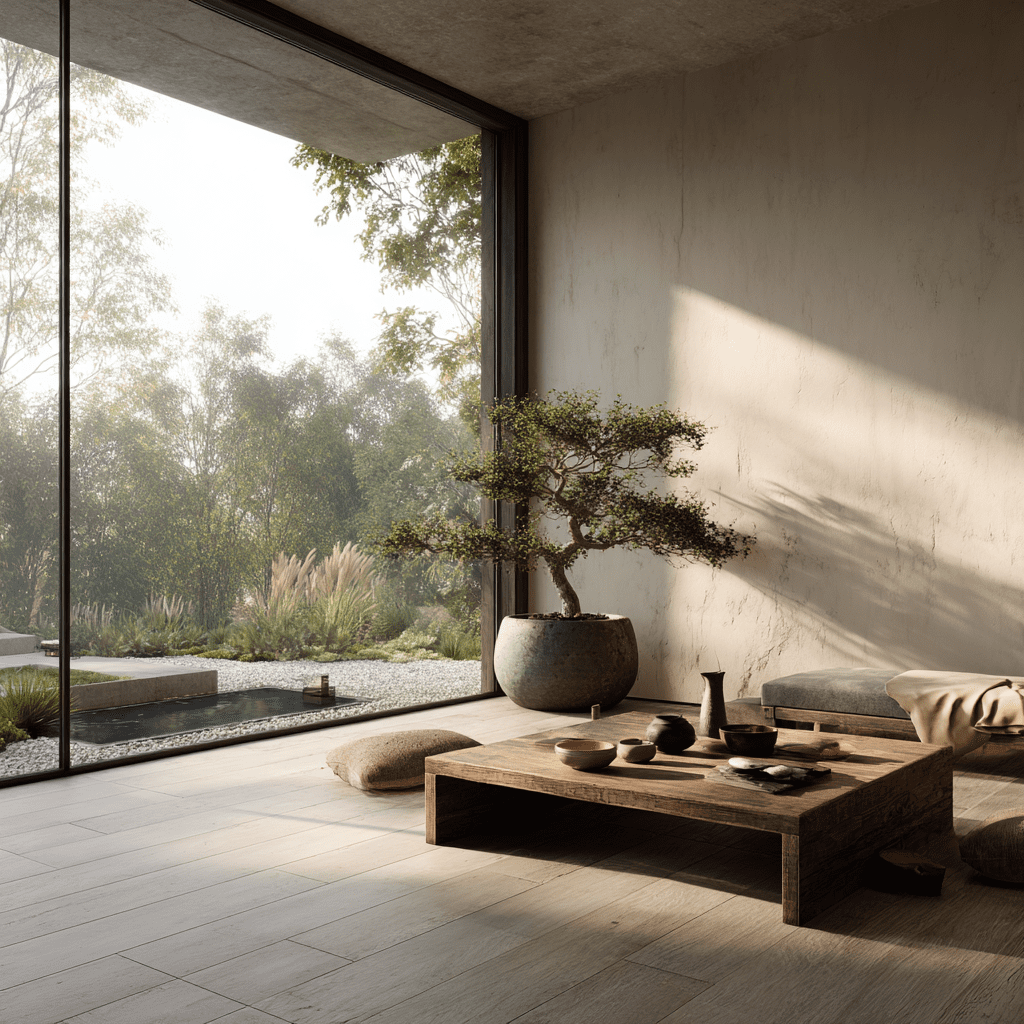
Japandi isn’t just a design trend; it’s more like a way of thinking about your home. It blends Japanese minimalism with Scandinavian softness, creating a space that feels calm, natural, and truly livable. The focus is on simplicity, natural materials, and quiet beauty – not excess or noise.

Rather than filling your shelves and walls with decor, Japandi encourages you to choose a few meaningful, grounding pieces:
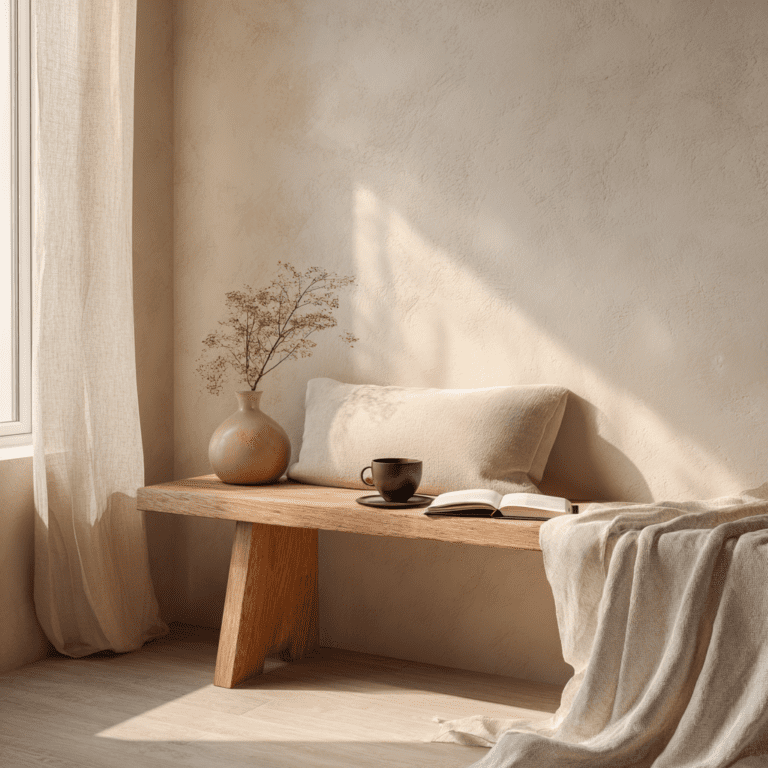
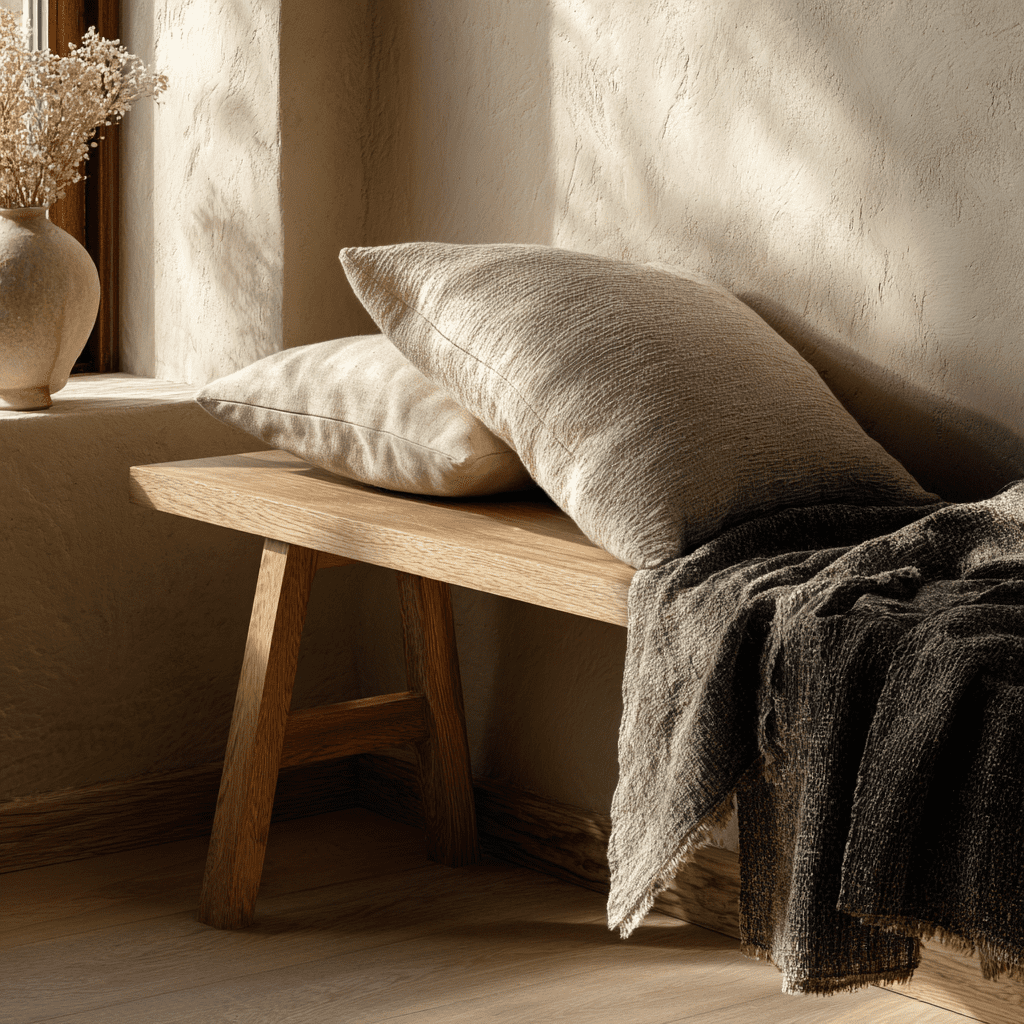
a wooden bench with a linen cushion,
a single ceramic vase with a few branches,
soft light that invites you to slow down instead of overstimulating you.

These little things may seem subtle, but they make a big difference – your eyes rest, your mind slows, your nervous system softens.

2.szakasz

At the heart of Japandi are natural textures like wood, linen, clay, or bamboo – not just because they look nice, but because they feel good to be around. They bring a sense of calm you can actually feel. And it’s not just a vibe – research shows these earthy materials really do help you relax.

One study found that nature-inspired interiors can reduce stress and increase happiness. When your space includes natural elements, you’re not just decorating; you’re creating a more peaceful place to live.

3. Start with a Clean Slate - Minimalism Is Not Enough, It’s About Mindful Selection

When you begin creating a stress‑free Japandi home, the first big idea isn’t “get rid of everything.” It’s simpler than that: every object in your space should have a purpose and a place. Not because minimalism is trendy, but because belongings that don’t serve you tend to crowd your mind just as much as they crowd your room.

3.szakasz

Letting go of things isn’t just about tidying up; it’s about deciding what actually makes you feel lighter and calmer. Many people find that clearing clutter helps reduce visual noise and creates a sense of control and focus.

Instead of tackling the whole house in one go (which feels daunting), try working room by room, small area by small area. Breaking it down this way helps you avoid burnout and gives you little wins you can actually see and feel.

Here’s a simple framework that makes it manageable:

 Go through one area at a time.

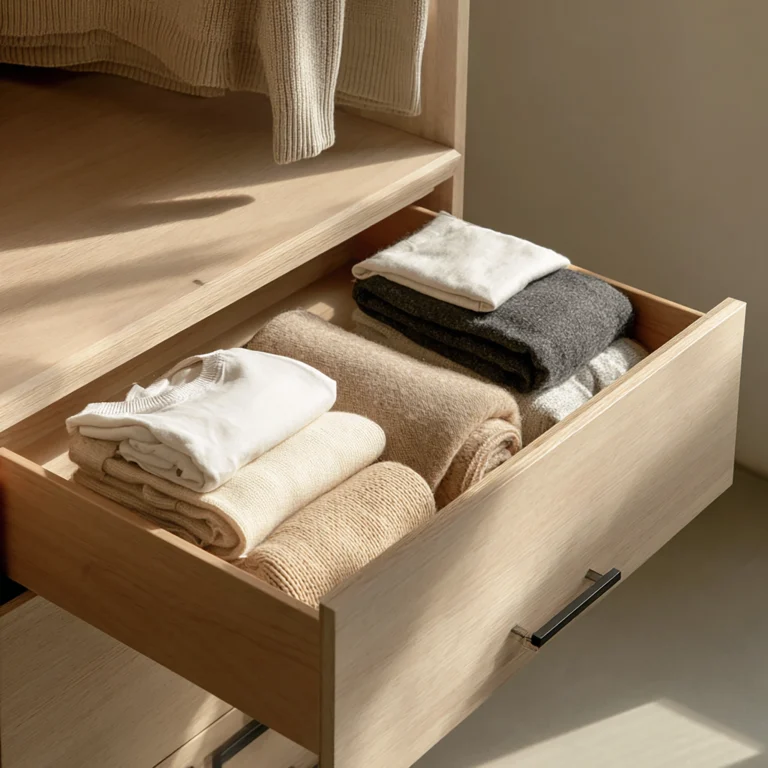
Focus on one corner, one drawer, or one shelf – not an entire room. These tiny wins build confidence and make the process feel doable.

3.1
webbloko A calm light filled home scene with natural wood and 5914daac ccf4 4e63 8afc f32ba460e35e 3

 Ask practical questions for each item

Look at something and ask yourself:

  • Do I use this?


  • Does it calm me or support my daily life?


If the answer is no, let it go.

🗂 Sort consciously

Decide whether to keep it, donate it, gift it, or discard it – not based on emotion, but on intention. If something doesn’t help you stay calm or maintain your routines, it’s okay to let it go.

⏱ Work in short bursts

Set a timer for 10–15 minutes and stop when the timer goes off. These small bursts add up, and two or three short sessions feel much easier than one long one.

The goal here isn’t to have a flawless, magazine‑ready home. It’s to create a space that feels calm and meaningful to you. Fewer visual distractions means more room, in your home and in your mind – for what really matters.

These small bursts add up, and two or three short sessions feel much easier than one long one. In fact, experts highlight that reducing clutter can help lower stress and improve your mental wellbeing – a tidier environment often leads to a calmer mind and sharper focus.

4. Colors and Materials — Harmony for Visual Calm

The colors and materials you choose at home quietly shape how you feel every day. In a stress‑free Japandi home, they’re not there to impress or energize — they’re there to slow things down and bring balance.

4.szakasz 1

Start with soft, neutral colors

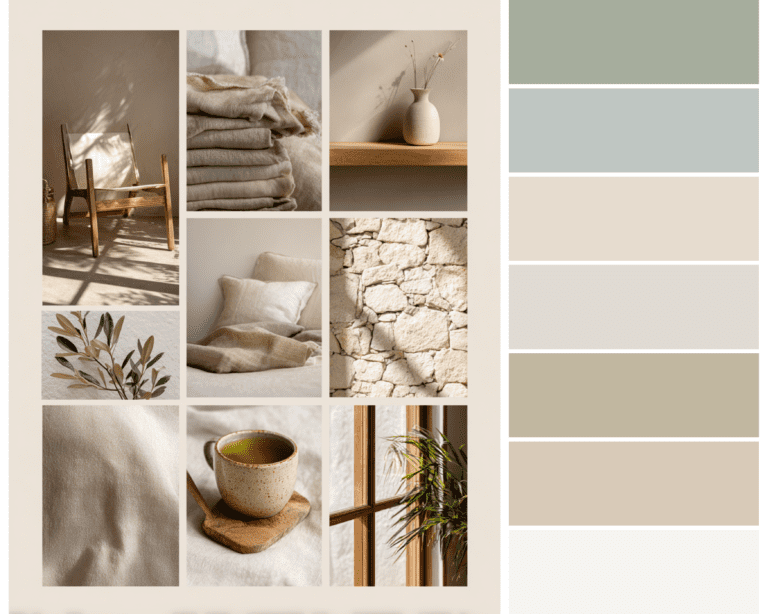
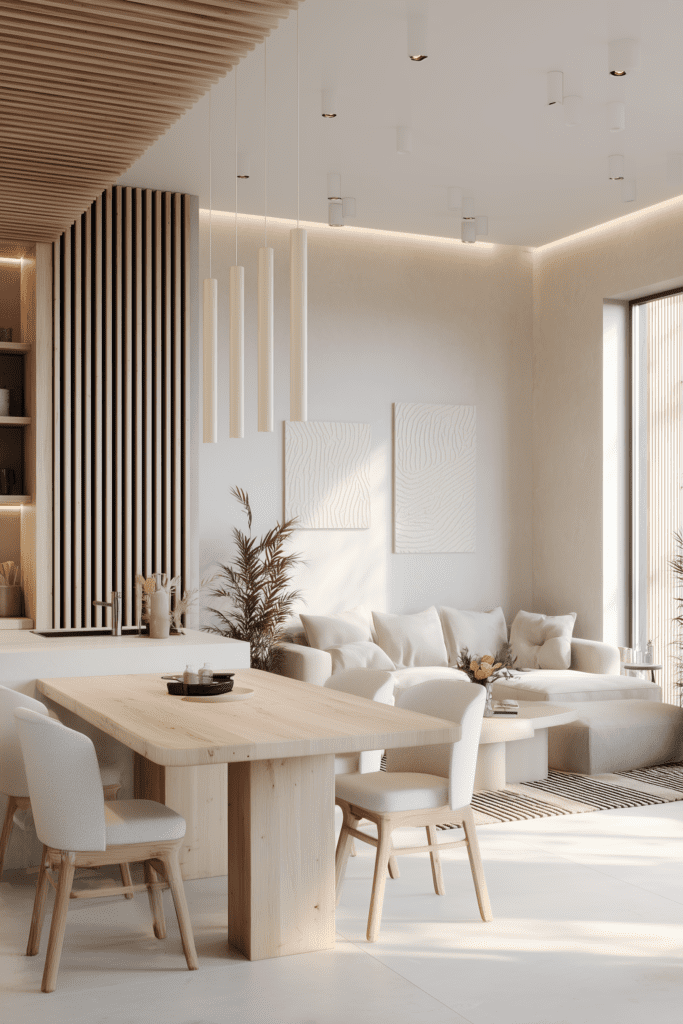
Think warm whites, gentle beiges, soft greys, and muted earthy tones inspired by nature. These colors don’t demand attention. Instead, they give your eyes a place to rest, which naturally helps your mind relax too. Neutral tones also work beautifully with natural light, creating spaces that feel open, calm, and breathable.

Many Japandi interiors use a subdued, nature‑inspired palette to support a sense of quiet and intention. A calm, neutral color scheme – soft whites, warm beiges, gentle greys, and earthy tones – is actually foundational to this style, helping rooms feel restful and balanced rather than loud or busy. Explore how these gentle palettes work together to create harmony and visual calm in this Japandi colour palette guide.
🔗 https://www.shopjapandi.com/blogs/design/japandi-color-palette

Ground the space with natural materials

Natural materials are a key reason Japandi spaces feel so soothing. 

Wood, linen, cotton, stone, clay, and bamboo – they all bring a grounded, familiar feeling that connects your home to nature without overwhelming the senses.

These textures don’t just look good; they feel good to live with.

4.2

Designers often note that natural materials help reduce sensory overload and promote emotional balance in interiors. In fact, research on how natural materials and biophilic design work in homes shows that using tactile, earthy elements can improve mental well-being, reduce stress, and enhance focus – part of why spaces with wood, stone, and woven natural fibers feel so calming and nourishing.
🔗 https://www.anothercountry.com/beauty-using-natural-materials-interior-design/.

Avoid strong contrasts in places meant for rest

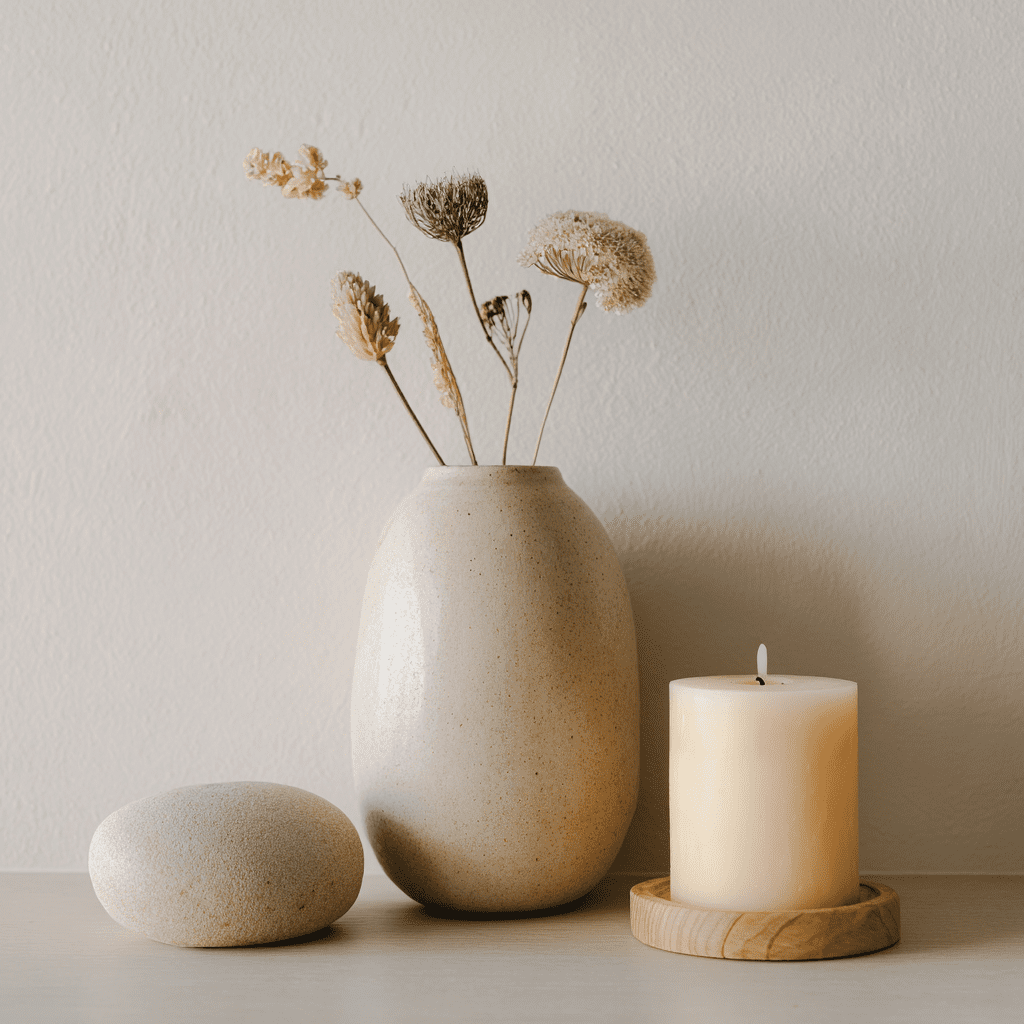
webbloko A clay colored ceramic vase placed on a light wood s 819cb4ee d871 471e b179 369cb9492a07 0

In bedrooms, reading corners, or quiet living areas, it’s best to avoid bold contrasts and very bright colors.

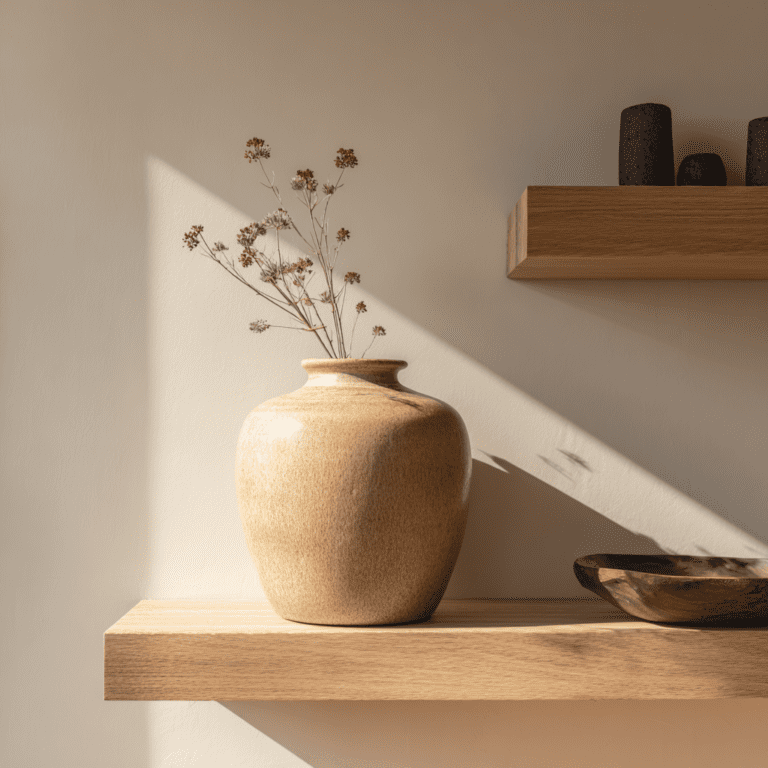
Intense reds, sharp blacks, or saturated tones tend to stimulate the brain – which is excellent for active spaces, but not ideal when you want to unwind. Instead, add interest with soft accents: a muted sage cushion, a clay‑toned ceramic piece, or a light wood surface that blends into the space rather than competing for attention.

A simple example is a clay-colored ceramic vase placed on a shelf or table. It adds warmth and texture without visual noise; for example, this minimalist ceramic vase on Amazon fits beautifully into a Japandi interior.

Simple ways to apply this at home

  • Wall colors: Warm off‑white, sand, or light stone grey create a calm, flexible backdrop.
  • Textiles: Linen or cotton curtains, throws, and cushions add softness without clutter.
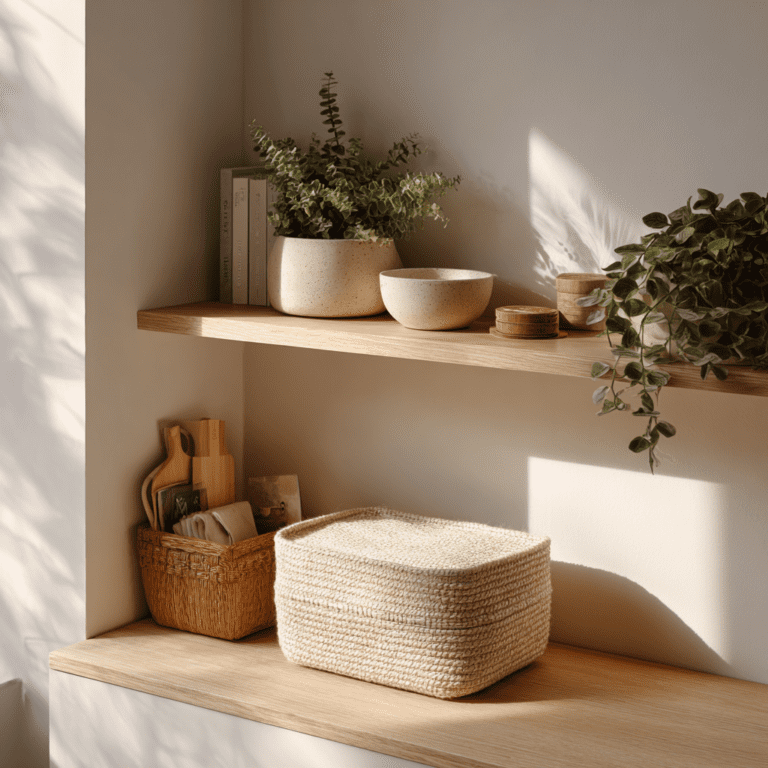
  • Decor: One ceramic bowl, a wooden tray, or a woven basket can add depth and warmth while keeping the space quiet and balanced.

When colors and materials work together like this, your home starts to feel less like a place you manage and more like a place that takes care of you.

5. Functional Layout – Space for Your Life, Not for Clutter

A peaceful home isn’t just about how things look. It’s about how your space works with you, not against you. A well‑thought‑out layout doesn’t just make things practical; it makes life calmer. You don’t have to dodge furniture or constantly search for clarity. It just feels natural to live in.

🚶 Make movement easy

5 2

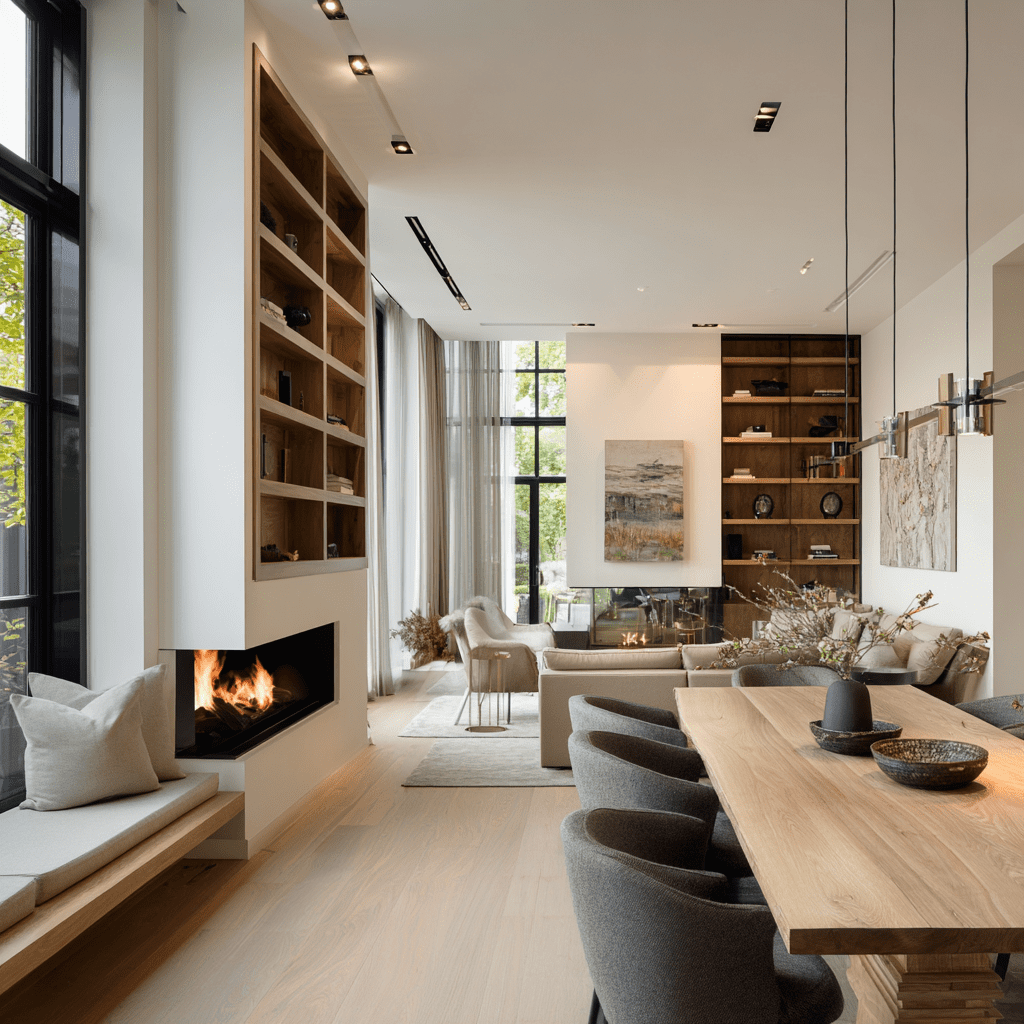
Take a look at how you and your family move through your home. A sofa, a shelf, a table, none of them should block your path. The most calming layouts are the ones that let you move through your space naturally, without bumping into things or constantly adjusting your route.

Designers often talk about “traffic flow”  the way people walk through a room without obstacles or friction. It’s a simple detail, but it makes a big difference. You can find helpful tips in this practical guide to space planning, which shows how thoughtful furniture placement supports both comfort and clarity in everyday living.

🛋 Create gentle zones

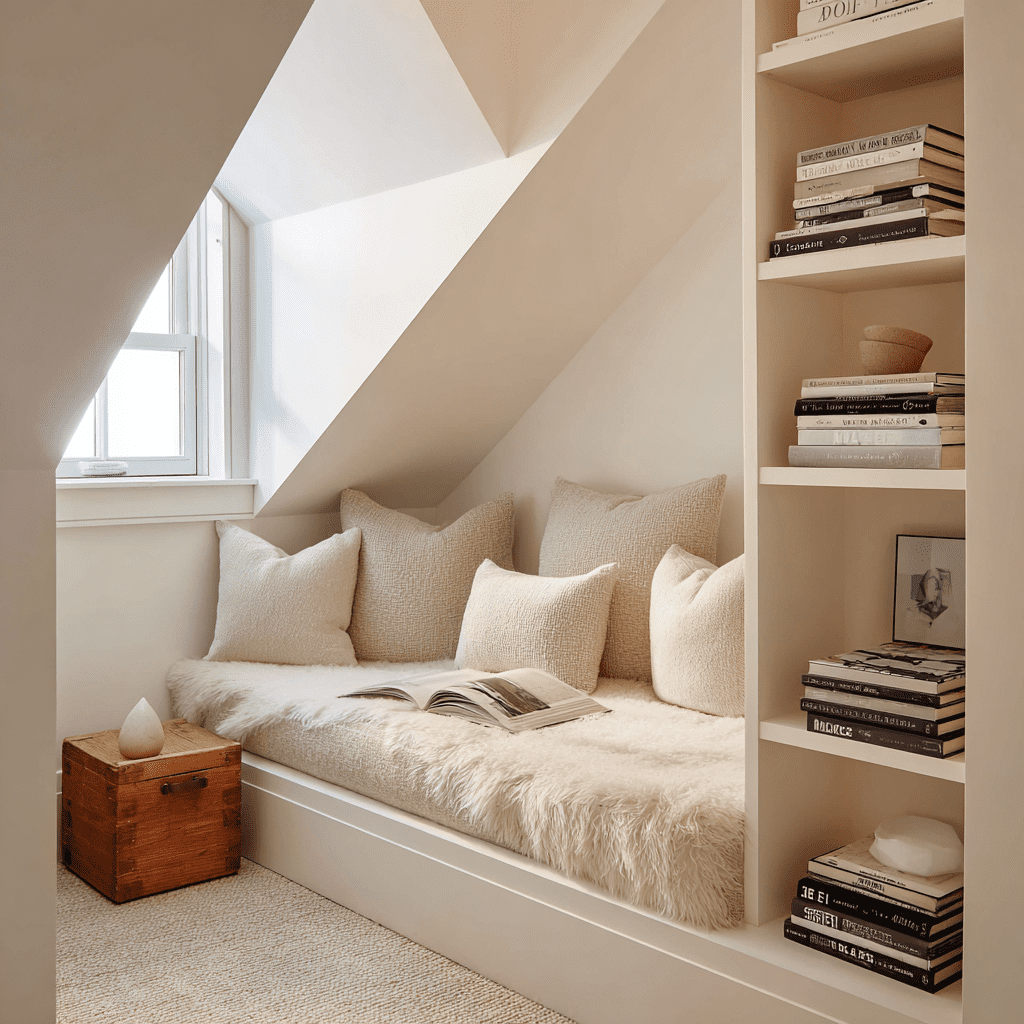
It’s acceptable if one room serves multiple functions; ensure those functions have their own clear spaces. A reading nook with a soft chair and a warm lamp. A small dining area, even if it’s just a quiet corner. A calm zone for work or planning.

Using rugs, lighting, or even an airy screen can help define these zones. That’s because the way a space is zoned or divided into functional areas helps your mind make sense of what you do in each part of a room, so you think “I relax here,” “I focus there,” “I chat over there.” 

5 1

You can read more about how designers use zoning to give different parts of a room a clear purpose in this interior design zoning guide.
🔗 https://biblus.accasoftware.com/en/zoning-in-interior-design-a-complete-guide-to-space-division/

🪑 Keep only what you really use

webbloko A calm light filled home scene with natural wood and 5914daac ccf4 4e63 8afc f32ba460e35e 3 1

You don’t have to empty the room. Just make sure everything has a reason to be there. If a shelf is only taking up space, maybe it belongs somewhere else, or maybe not at all. A truly functional Japandi home has pieces that support your day, not get in the way. This idea follows the core principle of minimalist design: less is more, and eliminating what’s unnecessary can make your space feel calm, purposeful, and easier to live in.

🔗 https://en.wikipedia.org/wiki/Minimalism Wikipédia

When you design your home with ease and flow in mind, it stops feeling like a puzzle and starts feeling like home, calm, clear, and completely yours.

6. Lighting — Light That Helps You Unwind

Lighting has a bigger impact than we often realize. It shapes how a space feels and how you feel in it. In a calm Japandi home, lighting isn’t about being bright or dramatic. It’s about providing consistent, gentle support for your daily rhythm.

🌤️ Let in natural light whenever you can

6 2

Daylight has a way of making everything feel lighter physically and emotionally. It opens up a room, lifts your mood, and even helps regulate your body’s natural sleep-wake cycle.


Keep window coverings light and airy, so the sun can gently fill the room without being harsh or overwhelming.

🌇 For evenings, go soft and layered

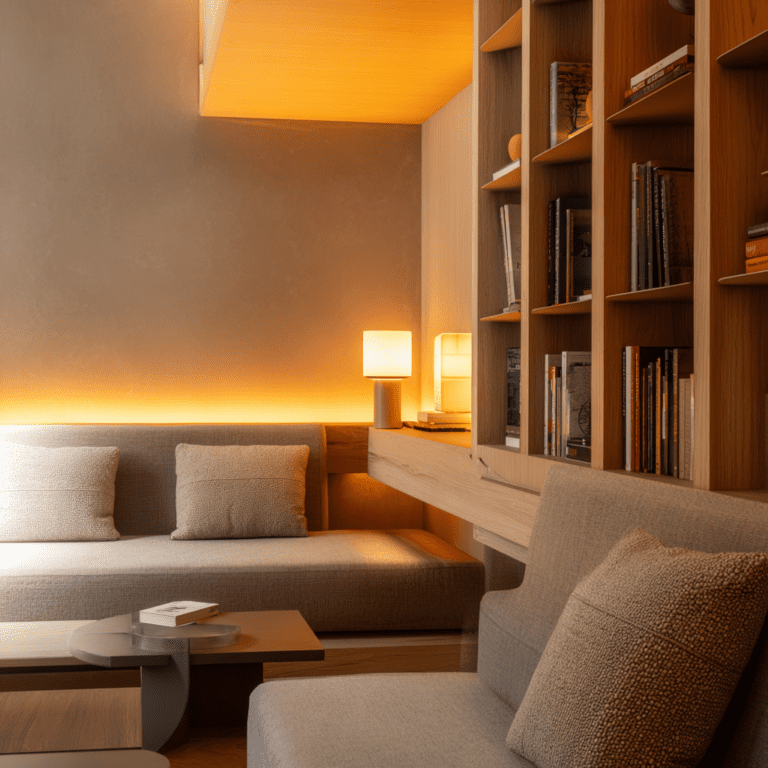
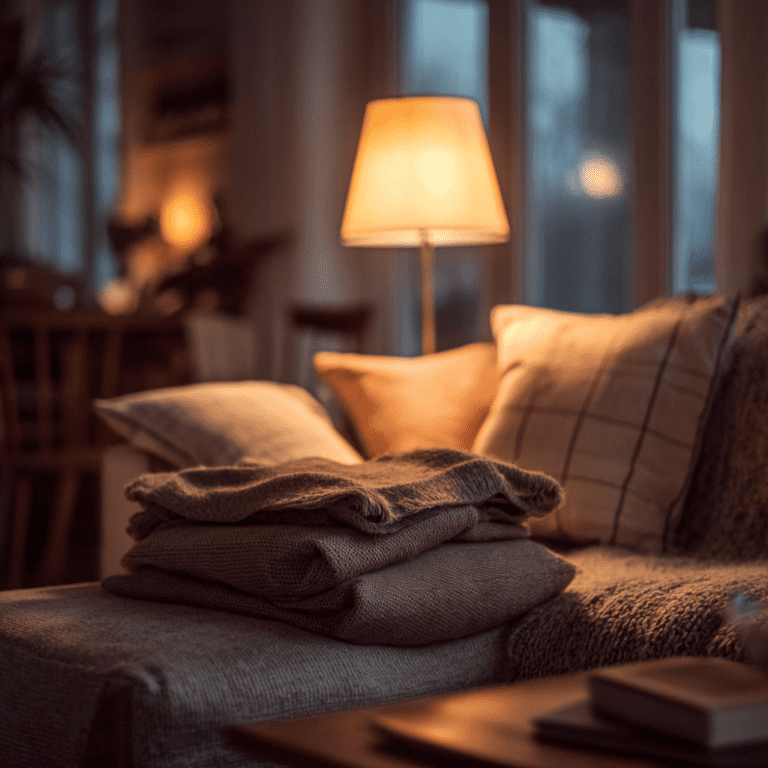
As the day winds down, bright ceiling lights can feel overwhelming. Try switching to softer options like a table lamp, floor light, or dimmable bulb, anything that lets you set the mood.

Layering different light sources isn’t just a design trick; it really helps a space feel cozy and balanced. If you’re curious how to do it right, this guide on layered lighting offers excellent tips for creating a sense of calm with light.

6 1

🔘 Use dimmers or smart bulbs to match your rhythm

One minor but powerful shift: install dimmers or smart bulbs that lower brightness gradually in the evening. It gently cues your body that it’s time to wind down, no force, just a quiet transition to rest.

In a Japandi home, light should never feel overwhelming. It’s there to guide you through the day, soft and steady like a breath of calm that follows you from morning to night.

7. Bringing Nature Home – Plants and Soft Textures That Calm You

If you want your home to feel calming, truly, it’s worth inviting a bit of nature inside. Not in a dramatic way, just those small, quiet elements that bring back the feeling of sitting somewhere peaceful, doing nothing, and feeling good about it.

Plants – the quiet presence of nature

7.1

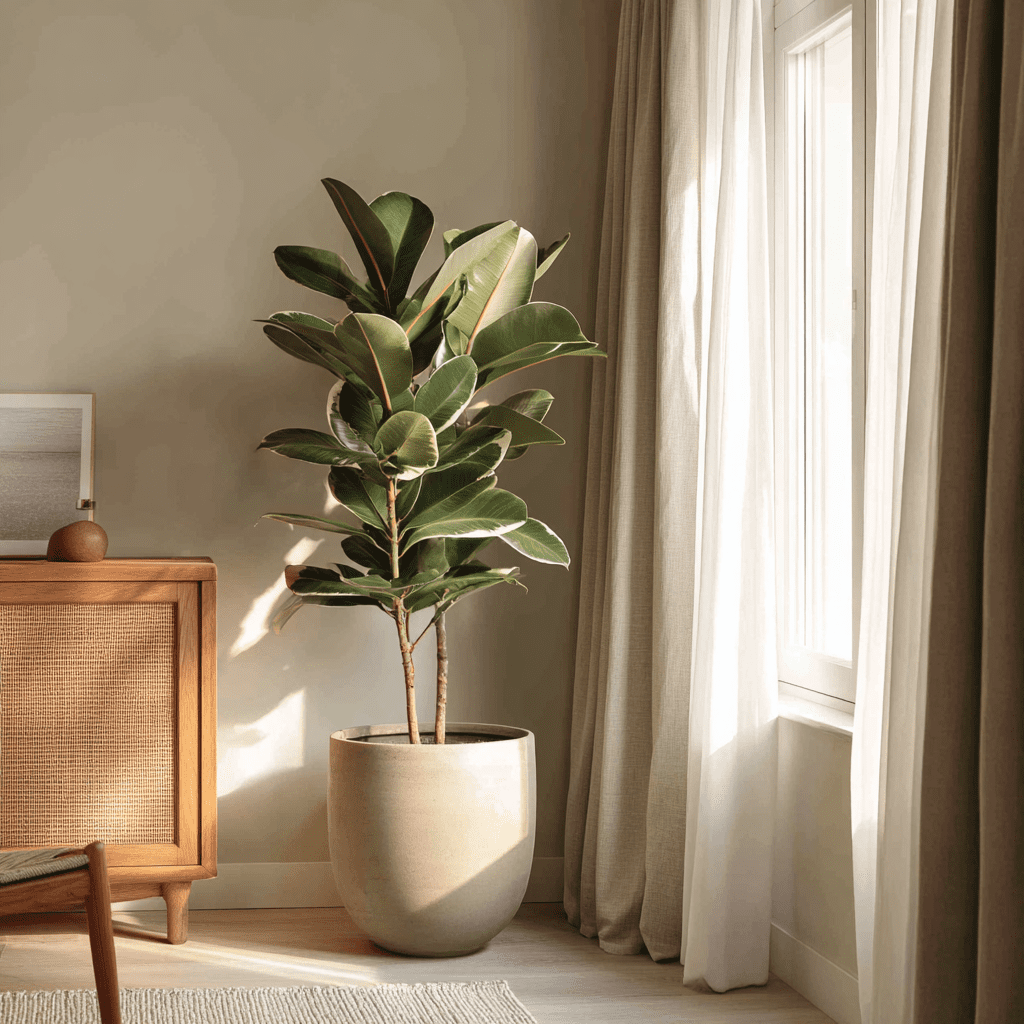
Green plants don’t just make a space look better; they genuinely help you slow down. A palm in the corner, a small succulent on a shelf… You don’t need to turn your home into a jungle. Just a few well‑placed plants are enough. Their presence adds a sense of calm, and as a bonus, they help improve the air you breathe.

And yes, this isn’t just a feeling. Studies show that plants can reduce stress and support overall well-being. It really does work.

Textures – soft details that matter

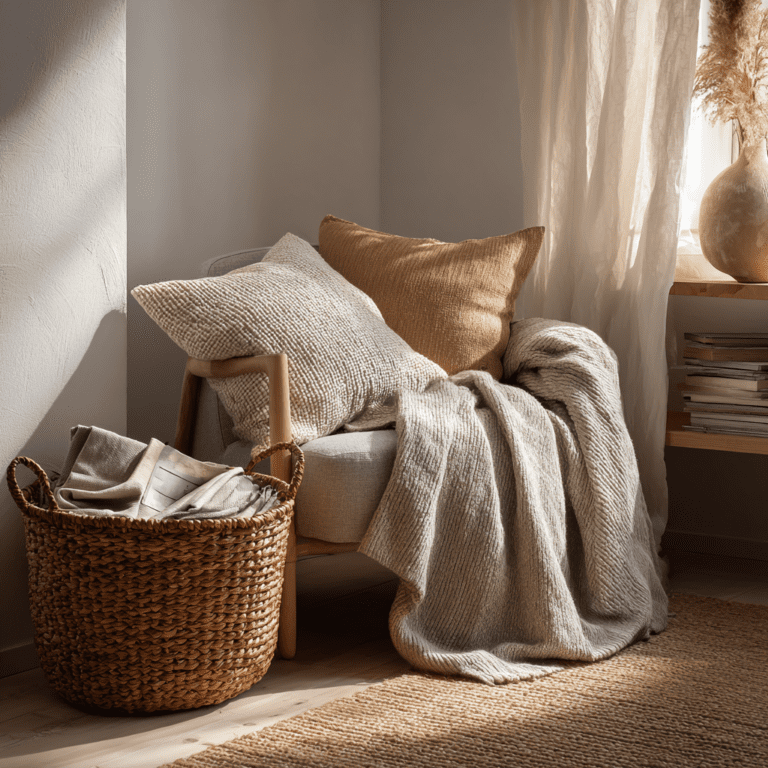
Another simple trick is to use natural, tactile materials. Think of a thick, soft throw blanket, a linen pillow, or a warm, woven rug under your feet. These things don’t just look nice,e they feel good to use. They add warmth and comfort to a room without making it feel crowded or heavy.

7.2

Connection to nature – because it feels good

7.3

This isn’t about trends or decorating rules. In Japanese culture, staying connected to nature even indoors has always been important. There’s even a word for it: biophilia. It simply means that we naturally feel better when natural elements surround us.

You don’t need to overdo it. One or two plants, a natural‑fiber throw, a soft rug, and suddenly the space feels warmer, calmer, more welcoming, like a place where you actually want to take a deep breath and stay for a while.

8. Intentional Routines – Habits That Help Keep Your Space Tidy

Keeping your home feeling calm doesn’t always come from big weekend cleanups. A lot of peace comes from the tiny daily habits you build, the ones that make your space feel cared for without stress or effort.

🌇 Evening Reset Routine – Just 10 Minutes a Day

Start your evenings with a 10-minute reset just like brushing your teeth before bed.
Fold a throw, clear the coffee table, fluff the pillows. These small actions quietly set the tone for a better morning.

You’re not deep cleaning. You’re simply creating a ritual, one that tells your brain, “this space is safe and calm.”

8.1

And it works.
Even a little effort, done consistently, helps your space feel lighter and your mind more settled. Psych ON explains how tiny habits like this can ease stress and improve mental wellbeing.

Want a little support?
🛍️ This minimalist digital timer makes the routine feel doable, just set it for 10 minutes, and let calm begin.

☀️ Morning Ritual – A Clean Start and a Calm Mind

8.2

Starting your day with clear space and clear intention does wonders for your mindset. After your morning stretch or shower, take a moment to:
✔ straighten cushions
✔ open curtains
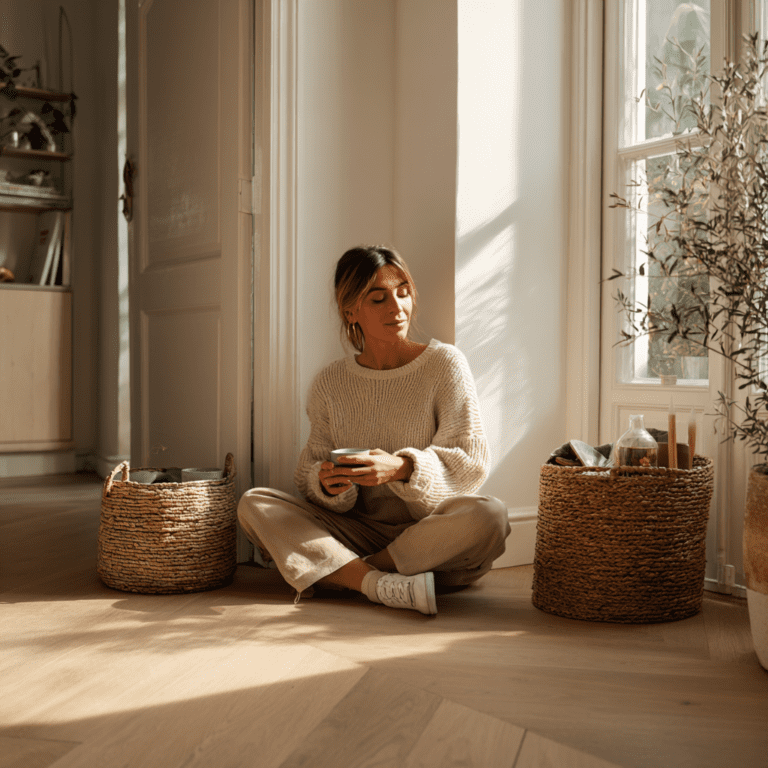
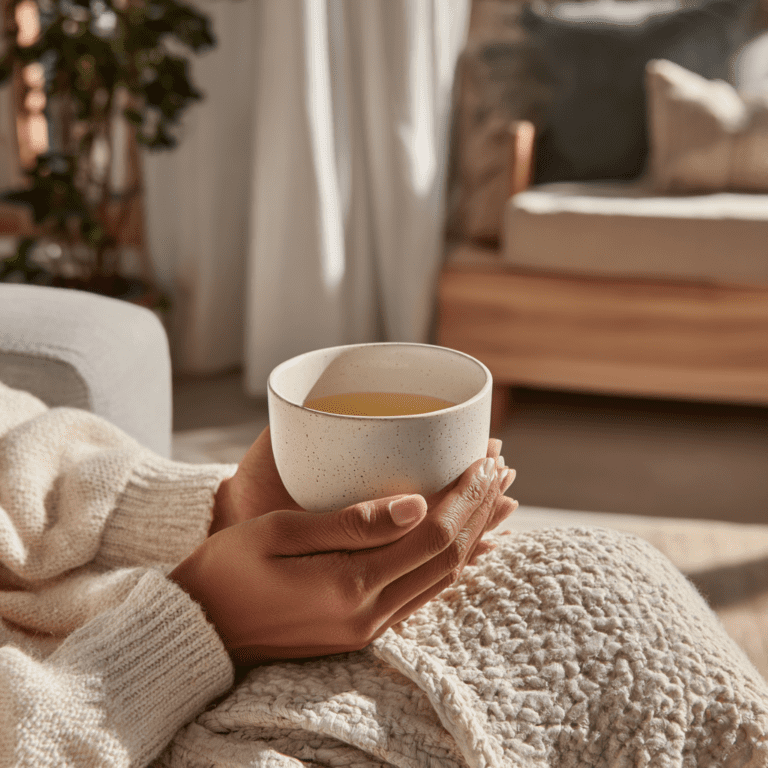
✔ Make a cup of tea or coffee mindfully
✔ Take a few deep breaths before your first task

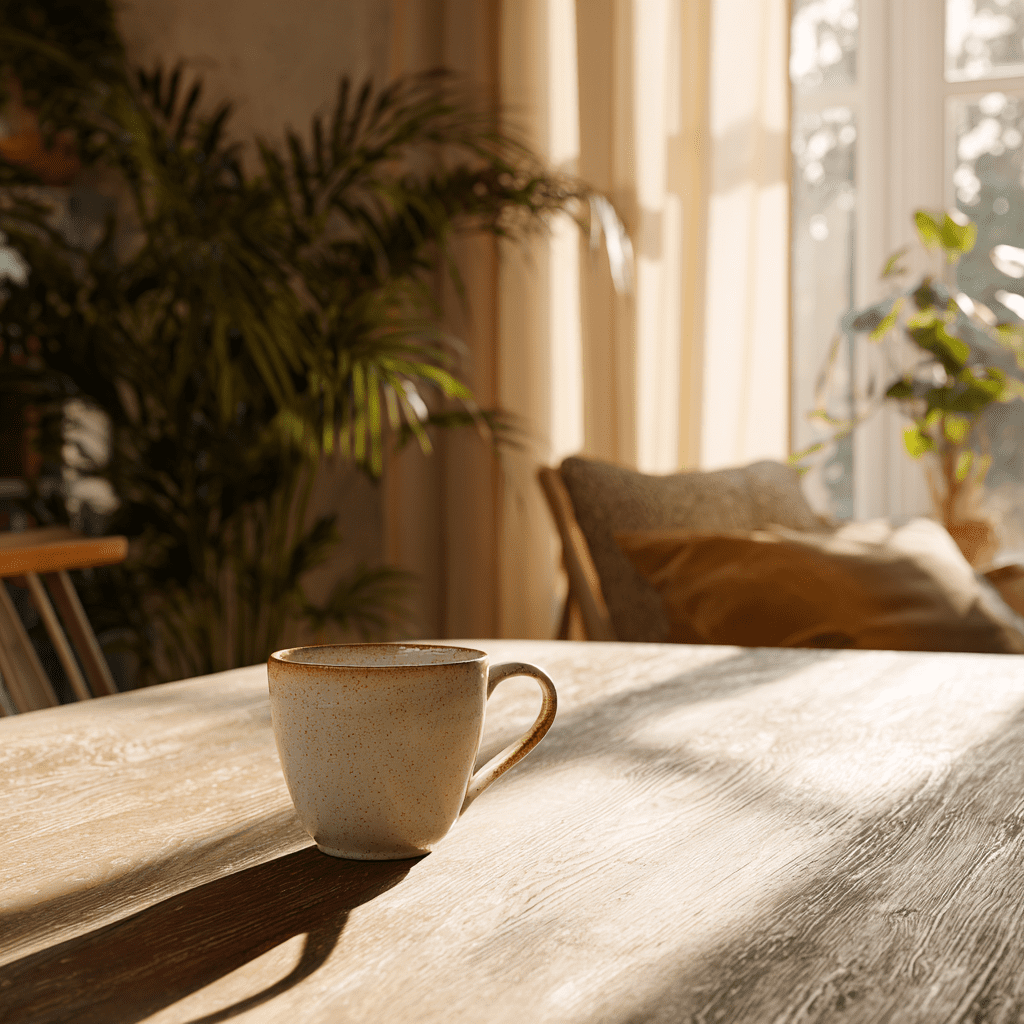
It doesn’t have to be elaborate. The point is to treat your home and your morning with intention, as something you’re nurturing, not just surviving in. A simple, natural mug like the Ceramic Mugs with Clay Bottom – Matte Finish feels good to hold and fits beautifully into a calm morning routine.

Sustainable Order — Not Just One Big Clean

You don’t need one huge cleanup session to make your home peaceful forever. The trick is consistency. Think in tiny steps, not mountains:
➡ If you open a drawer, close it
➡ if you take out a blanket, fold it back later
➡ If you finish a cup, rinse it

You’ll find it less exhausting than waiting for “someday” to tidy up. A little bit each day keeps the space feeling fresh and keeps your stress levels low.

8.3

To help make everyday organization easier, a set of neutral, woven storage baskets can be a quiet but powerful tool they keep everyday items orderly without visual clutter. A set like the OIAHOMY Large Rectangle Woven Storage Basket complements Japandi’s natural, calm aesthetic.

Research shows that small daily habits, things that take just a few minutes, can improve your overall well-being and help reduce stress over time.

🔗 https://www.mqmentalhealth.org/small-daily-habits-improve-mental-health/

🌟 Section 8 Summary

  • Evening reset: 10 mindful minutes to clear visual clutter

  • Morning ritual: Start the day with intention and a calm mind

  • Sustainable order: Small habits over time bring real peace

🧘‍♀️ 9. Minimalist Decor – Less Really Is More

When it comes to decorating a stress‑free Japandi home, the goal isn’t to fill every surface with pretty things. It’s about choosing a few meaningful pieces that make your space feel intentional, warm, and calm. Think quality over quantity; a handful of well‑chosen items will speak louder than a shelf full of clutter.

Don’t overdress the space

Too many accessories, trinkets or random objects can actually make a room feel noisier, even if you love each piece individually. Minimalist decor is about leaving breathing room, allowing your eyes and your mind some rest.

Choose a few meaningful items

Instead of covering every shelf, pick just a few pieces that matter to you, maybe a hand‑thrown ceramic bowl, a simple wooden sculpture, a piece of pottery from a trip you loved, or a meaningful small print. These pieces tell a story and add personality without overwhelming the room.

Japandi decor tips

9
  • Hand‑made objects feel warmer and more personal than mass‑produced decor.
  • Simple shapes (think clean curves or straight lines, nothing fussy).
  • Muted, natural colors that blend with your neutral palette, soft off‑whites, warm beiges, light wood tones, gentle earth hues.
    These kinds of items help keep your space quietly beautiful and aligned with the calming Japandi aesthetic.

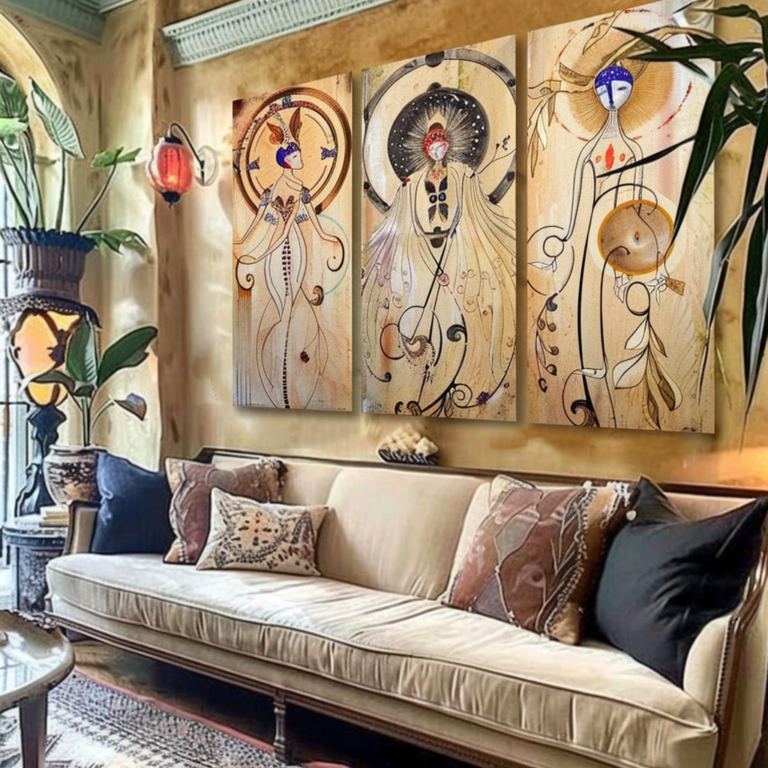
If you’re exploring how to bring serenity into your space through visual details, our guide on Japandi Wall Art: Insights into Serenity and Style offers calming wall decor ideas that align beautifully with this philosophy.

10. Closing Section – Japandi Is Not About Perfection, It’s About Intention

As you come to the end of this guide, let’s pause for a moment and take a deep breath together. A Japandi‑inspired home isn’t meant to be perfect, sterile, or curated like a showroom. What makes it truly meaningful is how it supports you and your everyday life, your routines, your comfort, your sense of peace.

The heart of Japandi isn’t in rigid rules or flawless styling. It’s in choices that feel good, thoughtful simplicity, and little habits that make your space feel calm, welcoming, and truly your own.

What matters most isn’t how many plants you have, how many cushions you’ve styled, or even how organized your shelves look in photos. What matters is that when you walk into your home, you feel a subtle sense of rest. You feel centered. You think this is a space where you can relax, breathe, and be yourself.

So let go of the idea that your space must be just right. Instead, ask yourself:

Does this item bring comfort or joy?
Does this space feel easy to be in?
Does this routine make living here lighter and gentler?

If the answer leans toward yes, you’re on the right path.

10

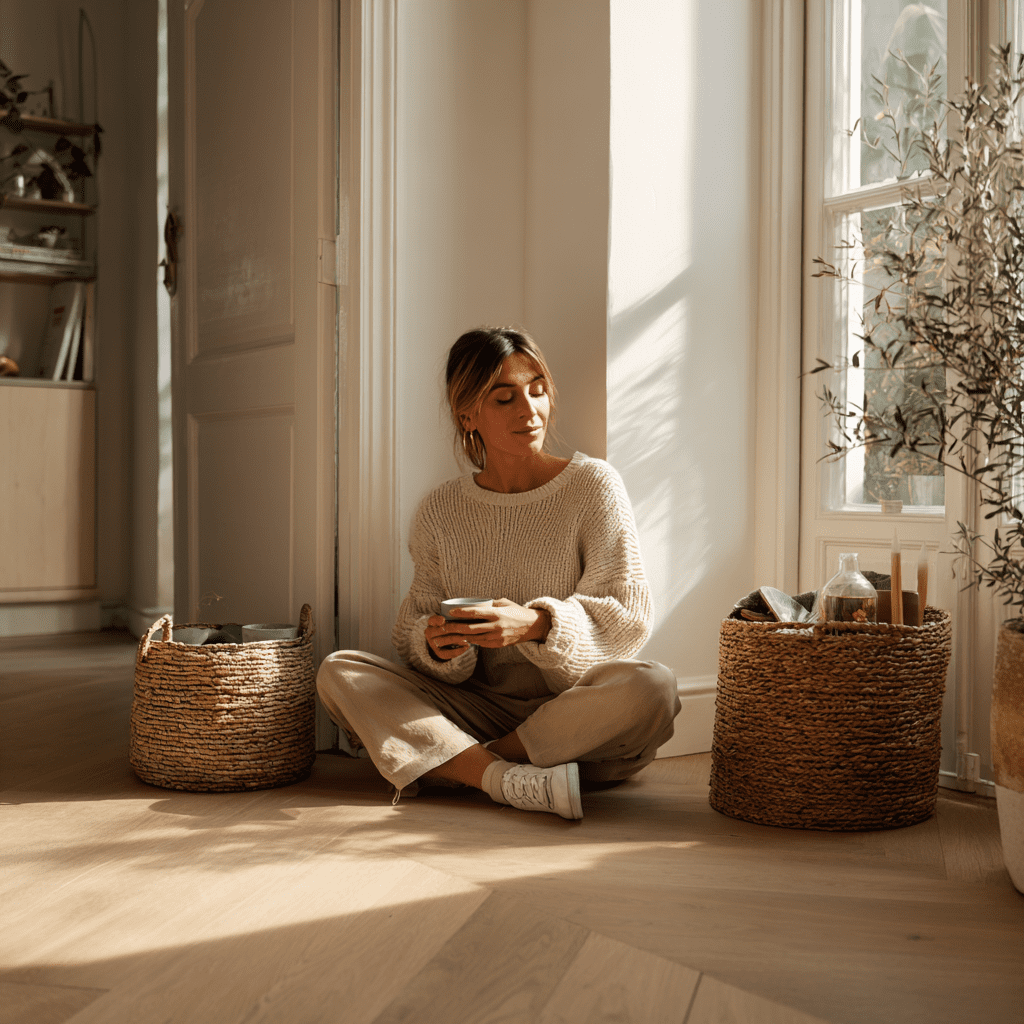
A calm home isn’t built in a day; it’s a journey of tiny moments: a cup of tea in soft light, a morning breath before you begin, a quiet corner that feels just right. And slowly, day by day, your space begins to feel more like you, peaceful, purposeful, and kind to your senses.

❓ Frequently Asked Questions (FAQ) – Japandi Home & Calm Living

. 1. What exactly is a Japandi home?

A Japandi home blends the simplicity of Japanese minimalism with the warmth and comfort of Scandinavian design. The goal is to create a space that feels calm, balanced, functional, and gentle on the senses — a place that supports relaxation and focus rather than visual noise.

No. You don’t need a complete makeover. Start small with intentional choices — declutter one area at a time, add soft natural textures, and choose a few meaningful decor items. It’s more about how you use your space than changing everything at once.

Go for neutral, earthy colors like soft whites, warm beiges, light grey tones, and muted naturals. These hues help reduce visual stimulation and make your space feel peaceful and cohesive.

Yes, but you don’t need many. Just a couple of thoughtfully chosen plants can make a room feel more alive and connected to nature. Plants soften a room’s look and can improve air quality and overall well-being.

Build small routines: take 10 minutes at night to tidy up, start your day with a simple morning ritual, and maintain order with small habits rather than waiting for a massive cleanup day. Consistency is more effective than perfection.

No! Japandi isn’t about strict rules. It’s about intention — choosing things that feel good, removing what doesn’t serve you, and creating a space that feels right for how you live. It’s personal, not prescriptive.

Keep it minimal with meaningful items. A few handmade pieces, simple shapes, and neutral tones create depth without chaos. Less really is more — focus on what resonates with you visually and emotionally.

Soft, layered lighting is best. Maximize natural light during the day, and use warm lamps, floor lights, or dimmers in the evening. Avoid harsh, bright overhead lighting — gentle light supports relaxation.

Absolutely. Japandi emphasizes function and simplicity, which can make even small spaces feel open and calm. Focus on purposeful furniture, clear zones, and natural light to optimize every inch.

No — you can apply Japandi principles anywhere: living rooms, bedrooms, kitchens, even bathrooms. The core idea is clear, intentional choices that promote calm and function.

✨ Ready to give something special?

Wishing you moments of calm, space to breathe, and a home that feels truly yours.
You’re doing beautifully — one soft step at a time. 🤎

With love,
Monika @ Affylife

Hot News: Fresh Japandi & Zen Inspiration! 🌿 Read Our Latest Blog Posts

Similar Posts